
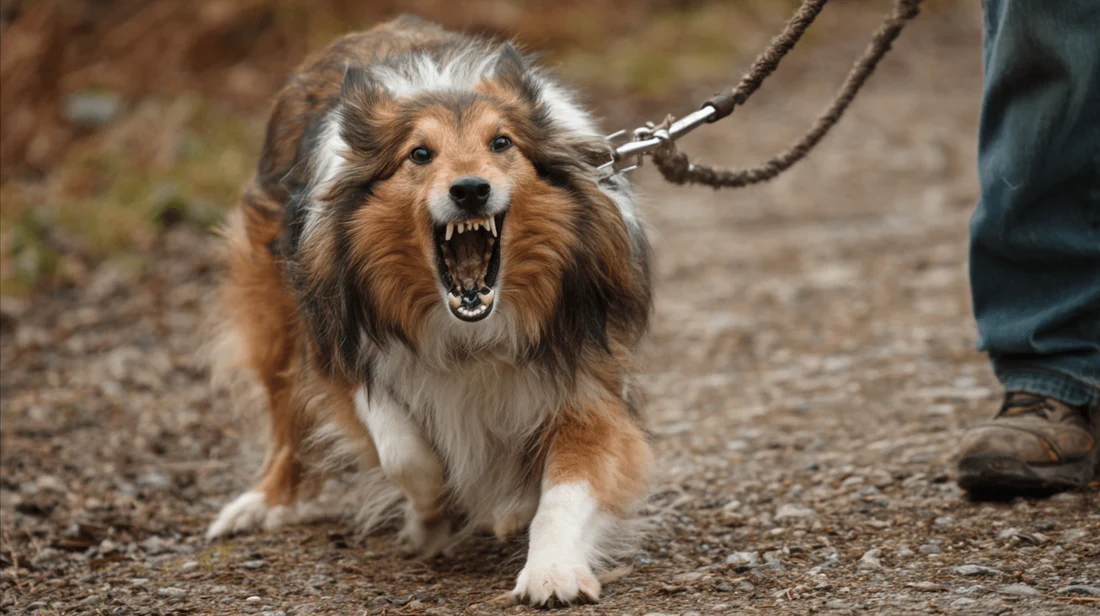
Reactivity!!!
Reactivity can be overwhelming. Whether you have a large Mastiff, or tiny Chihuahua. There is a huge amount of stigma surrounding this one. A lot of shame and embarrassment. It can be confusing, scarey and have an enormous impact on your life.
And where do you even start to find the right help? There is a lot of information on the internet about what you should do. There are sensational videos claiming they can help you in just 1 session! or that they have helped dogs who have been to 5 other trainers!
But the truth is that to tackle reactivity, you need to understand reactivity. There is no one piece of equipment that will solve all of your problems, no one thing that is the magic game changer! I only wish there was - it would make life for reactive dogs so much better!
Your dog isn't a bad dog because they are reactive. You aren't a bad dog owner because your dog is reactive. Reactivity usually comes from experiences that the dog has built coping mechanisms around to survive. It can start slowly and subtly, until one day, boom! your dog has found a strategy that works! And when they have found that strategy they hold onto it!
If you don't understand how this works and what the dog is doing then solving it, I mean really solving it, will be impossible.
Sure you can put a prong/pinch collar on, a check chain, or an electrical stimulus (e-collar) collar on your dog and take away the reaction. But if you do that then all you are doing is adding something else awful to a situation that your dog is already worried about. The reaction has gone, but you have now taken away another of the dogs coping mechanisms and created a ticking bomb! That one day you don't have the equipment watch your dog explode!
To really tackle reactivity we need to look at how the dogs is feeling. We need to change their emotional response to whatever it is that is making them react. It is a team thing. You and your dog working together to change it. Your dog needs to know that they can rely on you to protect them from the things that worry them.. If they know they can count on you, their emotional response changes.
Now that isn't an overnight change. It can take a while to do. And you both have to work together to get there. But with the right trainer, using the right methods and the right equipment you can do it.
Instant quick fixes just don't happen with reactive behaviour. Your dog has learned coping strategies and we have to help them understand that they don't need to do that. We need to teach them to tell us, and we need to learn to read that and respond to it.
If your dog trusts that you have got this and they don't need to, then that is a game changer!
Reactivity is as much your journey as it is your dogs. The right trainer will support and empower you to be the person your dog can rely on. They won't give you some equipment that will supress your dogs behaviour, or make you do anything that can harm your dog.
Trainers who use this equipment will tell you it doesn't hurt, it is what the mother dog does to the puppies, that it is just a stimulus and no stronger than a tens machine. If only that were true!
Any equipment that pinches, chokes, or give an electrical pulse to your dog WILL hurt them, not just physically but psychologically too. Just because someone calling themselves a trainer tells you it doesn't, doesn't make it true.
Your dog knows you aren't their mother, so pinching them is a ridiculous idea. It hurts them, they stop the behaviour to avoid the hurt. The same with any device that chokes or delivers an electrical pulse. It is barbaric and just further destroys any trust you have with your dog. It is downright dangerous.
I have seen firsthand the damage this equipment causes, and it is heartbreaking. A lovely Labrador who was social, friendly, happy and well mannered stayed at a residential training school because I was not able to help. While they were away the trainer called them and said their dog was exceptionally aggressive and they needed to deal with that before they could train him. the owners were abroad so couldn't get back.
Once done the dog then came to my tricks class and was a wreck. Every time we used a clicker, the dog cowered and shook. Very strange given we had done some clicker training previously which he had loved and excelled at. I spoke with the owners and asked some questions and it came about that the other "trainer" seemed to have used an electric pulse collar on this dog. He had scorch marks on his neck that were suspected to be an allergic reaction. But they showed me pictures and it looked to be burns from the prongs on an e-collar.
He was now scared of large men, hi-viz jackets and the clicker. My heart broke. this equipment had taken a wonderfully confident and social dog and turned him into a scared, emotional wreck. I worked with the owners and we did manage to counteract what had happened, but it took months.
There are trainers out there who make wild claims about "fixing" these dogs in a single session, but all they do is cause a bigger problem.
Reactivity needs to be treated with understanding, with a compassionate approach, with the dogs physical and mental health in mind. It shouldn't be about getting a zero reaction result. Dogs will always have something that will make them bark or jump. They are animals, with feelings and emotions. Reactivity training is about doing what is right for the dog, about making them feel safe and comfortable. Because the reason we have dogs is that we love them. We want what is best for them. Bullying them into submission and ignoring what their behaviour is telling us is not doing right by them.
If anyone promises you they can stop reactivity in 1 session and it sounds too good to be true, that is because it is! You may stop the outward behaviour but you haven't stopped what the dog is feeling or how they are coping, and you have taken away a coping and communication mechanism. That terrifies me!
My old boy, who will be 16 in a couple of weeks was the grumpiest dog you had ever met. He hated everything. But he was supported, was taught safe places and people. He was taught who to rely on and what to do if he felt uncomfortable. We went to a pub recently and there were toddlers, balloons and other dogs, all things he doesn't like. He completely ignored them and even said hi to strangers. This is because he trusts me, and if at any point he lets me know he is not comfortable then I become supermum and deal with it. That is the outcome I wanted. For him to feel comfortable and safe and know that I have his back!